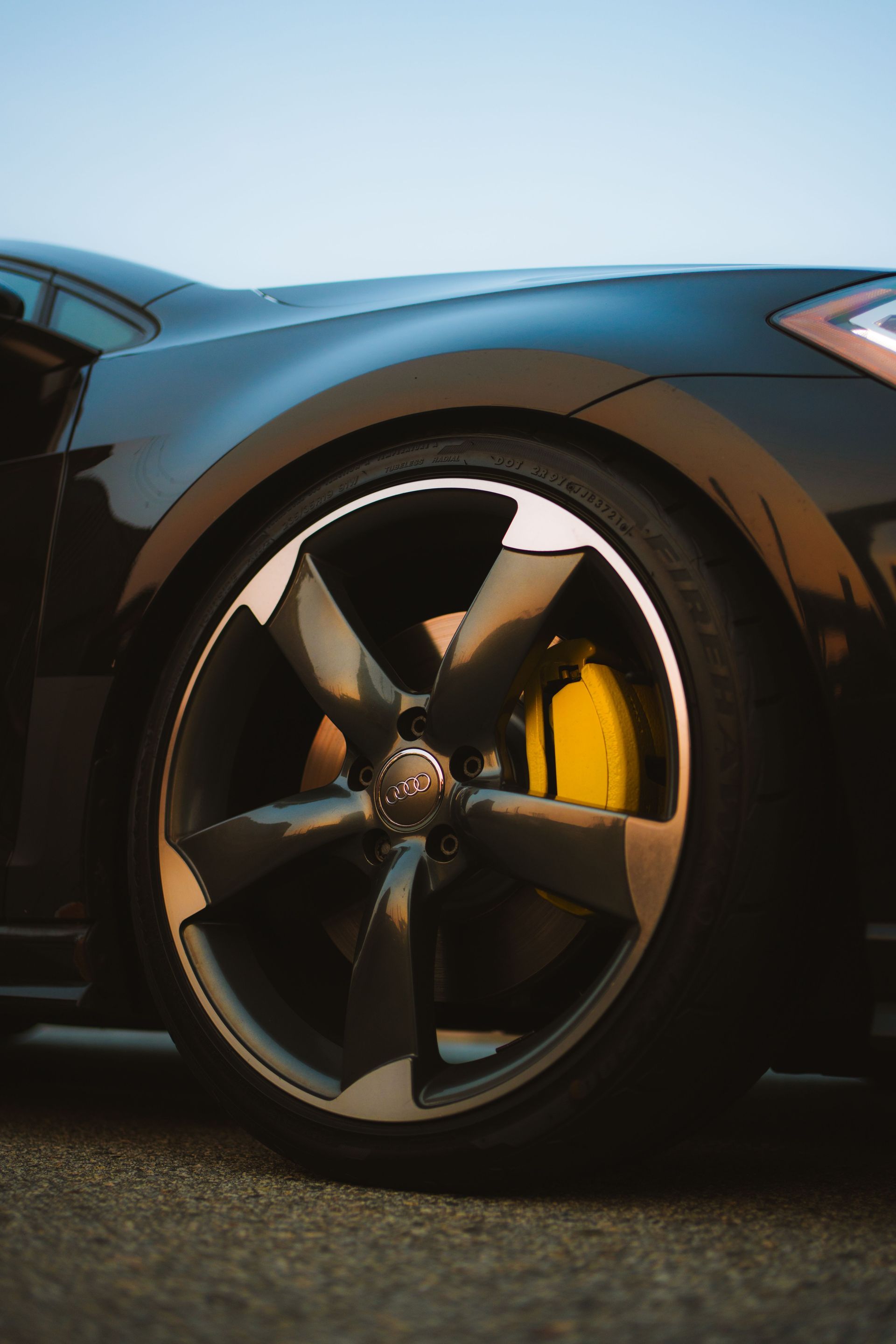
Should You Replace Brake Rotors When You Replace Your Brake Pads?
One of the most common questions we hear from drivers visiting Casey's Automotive in Chantilly, Sterling, and Great Falls is whether they need to replace their brake rotors when they replace their brake pads. The answer depends on the condition of your rotors, and the only way to know for certain is a proper inspection.
In our more than 30 years serving Northern Virginia, we have seen everything from perfectly reusable rotors to ones that were worn beyond safe limits long before the pads gave out.Here is what actually determines whether your rotors need to come out.
How Brake Pads and Rotors Work Together
Your brake system works through friction. When you press the brake pedal, hydraulic pressure pushes the brake pads against a spinning metal disc called a rotor. That friction slows the rotor, which slows the wheel, which stops the car. Over time, both the pads and the rotor surface wear from this repeated contact.
Pads are designed to be the sacrificial component. They are relatively inexpensive and easy to replace. Rotors are built to last longer, but they are not immune to wear, especially if pads are left to wear completely through.
When Rotors Can Be Resurfaced or Reused
If your rotors still have enough material thickness and their surface is relatively smooth, a technician may be able to resurface them rather than replace them. Resurfacing removes a thin layer of metal to create a fresh, flat contact surface. This extends the rotor's life and is significantly less expensive than replacement.
However, every rotor has a minimum thickness specification set by the manufacturer. Once a rotor is at or near that minimum, it cannot be safely resurfaced and must be replaced. A proper inspection will measure rotor thickness and compare it against spec.
When You Need New Rotors Along With New Pads
There are several situations where rotor replacement alongside pad replacement is the right call.
The rotor is at or below minimum thickness. Resurfacing is no longer safe, and even new pads will not perform correctly on a rotor that cannot be properly trued.
The rotor surface is deeply grooved or scored. If brake pads were allowed to wear down to the metal backing plate, that metal can cut grooves into the rotor surface. Depending on the depth, those grooves may be beyond what resurfacing can fix.
The rotor is warped. Warping causes a pulsating brake pedal and uneven braking force. Rotors warp from excessive heat buildup, which is more common when pads are severely worn and metal contacts metal. Warped rotors may sometimes be resurfaced, but if the warp is significant, replacement is the better option.
The rotor has cracking or hot spots. These are signs of structural compromise from extreme heat cycling. No amount of resurfacing addresses cracking, and a cracked rotor should always be replaced immediately.
According to brake systems data published by the
National Highway Traffic Safety Administration, brake-related issues are a significant factor in vehicle accidents, underscoring why deferred rotor maintenance carries real safety consequences, not just cost ones.
The Real Cost of Doing It Wrong
I have had customers come back two months after a pad replacement at another shop, frustrated that their brakes are already noisy again. When we pull the wheels, the new pads are wearing unevenly because the rotor surface was marginal to start with and nobody measured it. That is a repair that ends up costing significantly more in the long run than doing it right the first time.
Some drivers choose to replace only the pads and skip the rotors to save money in the short term. In some cases, that is genuinely the right call. But if the rotors are marginal, new pads will wear unevenly against an imperfect surface. You will likely be back in the shop sooner than expected and may end up spending more in the long run.
At Casey's Automotive, we will always show you exactly what we find and explain your options. Our goal is to give you the information to make a good decision, not to push unnecessary repairs. That philosophy is something we have carried through more than three decades of serving drivers across Loudoun and Fairfax counties.
FAQs
Is it always necessary to replace rotors when replacing brake pads?
No. If your rotors are within spec and the surface is in good condition, they can often be reused or resurfaced. A proper inspection will tell you which situation applies to your vehicle.
How long do brake rotors typically last?
Rotors generally last between 50,000 and 70,000 miles, though this varies with driving style and conditions. In high-traffic regions like Northern Virginia, rotors in stop-and-go commuter conditions may reach that range faster.
What happens if I drive on worn rotors?
Worn or damaged rotors reduce braking efficiency, can cause brake pedal vibration, and put more stress on other brake components including calipers and brake lines. A rotor that has worn below minimum thickness is also a direct safety risk.
Not sure whether your rotors are due for replacement? Let us take a look. The team at Casey's Automotive provides thorough brake inspections at all three of our Northern Virginia locations. Our team will measure your rotors, assess your pads, and give you a straight answer about what your vehicle actually needs. Schedule your visit today.
Our Locations
Address:
4260A Entre Court, Chantilly, VA 20151
Phone Number: (703) 802-6300
Hours: Monday–Friday, 7:00 AM – 6:00 PM
Address:
45891 Woodland Rd, Suite 130, Sterling, VA 20166
Phone Number: (703) 444-6900
Hours: Monday–Friday, 7:00 AM – 6:00 PM
Address:
719 Walker Rd, Great Falls, VA 22066
Phone Number: (571) 786-8001
Hours: Monday–Friday, 7:00 AM – 6:00 PM