Warning Signs Your Brake Pads Need Replacing
Your brake pads are one of the most critical safety components on your vehicle, and knowing the warning signs your brake pads need replacing could be the difference between a simple service and a serious accident. According to brake systems research published by the National Highway Traffic Safety Administration, brake-related issues contribute to roughly 22% of vehicle-related accidents.
At Casey's Automotive, we have been helping drivers across Chantilly, Sterling, and Great Falls stay safe on Northern Virginia roads since 1993. Brake wear is one of the most common issues we see, and catching it early saves time, money, and stress.
Here is what to watch for.
Knowing how each component works makes it easier to recognize the warning signs your brake pads need replacing before they become a safety concern.
The Squealing Sound You Should Never Ignore
One of the earliest and most recognizable warning signs that your brake pads need replacing is a high-pitched squealing or squeaking noise when you apply the brakes. This sound comes from a small metal wear indicator built into most brake pads. When the pad material wears thin, that indicator contacts the rotor and produces the noise as a deliberate alert.
The sound may come and go, especially first thing in the morning or after your vehicle has been sitting in rain or humidity. If it persists after your car warms up and dries out, do not wait to have it checked.
Grinding or Growling When You Brake
If squealing goes unaddressed, it typically progresses to a grinding or growling sensation. At this point, the brake pad material has worn away entirely and metal is contacting metal.
The vehicles that concern me most are the ones that come in with that grinding sound but otherwise look well-kept.
Drivers often assume a quiet, clean car is a healthy one, but brake wear is invisible until it is not. By the time metal is contacting metal, the repair has almost always grown beyond a simple pad replacement. Drivers on busy corridors like Route 7 in Sterling or Route 28 near Chantilly put significant daily mileage on their vehicles, and worn brakes in stop-and-go traffic are a real safety risk.
Beyond the noise, direct metal-to-metal contact will score your rotors, often turning a straightforward pad replacement into a more involved and expensive repair.
Your Vehicle Pulls to One Side When Braking
If your car or truck drifts left or right when you press the brake pedal, uneven brake pad wear is one likely cause. When pads wear at different rates on each side, the braking force becomes unbalanced. This can also point to a stuck caliper or brake fluid issues, all of which need professional attention.
A Vibrating or Pulsating Brake Pedal
A pedal that vibrates or pulses under your foot during braking often signals warped rotors, which can go hand in hand with severely worn pads. Heat buildup from metal-on-metal contact can distort the rotor surface over time. You might also notice your steering wheel shaking at highway speeds, particularly on longer stretches like the Dulles Toll Road.
The Brake Warning Light
Modern vehicles are equipped with brake pad wear sensors that trigger a dashboard warning light when pads drop below a safe threshold. If that light comes on, treat it as confirmation rather than a guess. Some vehicles also display a specific message in the instrument cluster.
Keep in mind that the brake warning light can also indicate low brake fluid, which may itself be a sign of worn pads. As pads wear, the caliper pistons extend further and the fluid reservoir level drops.
Visual Inspection Through the Wheel Spokes
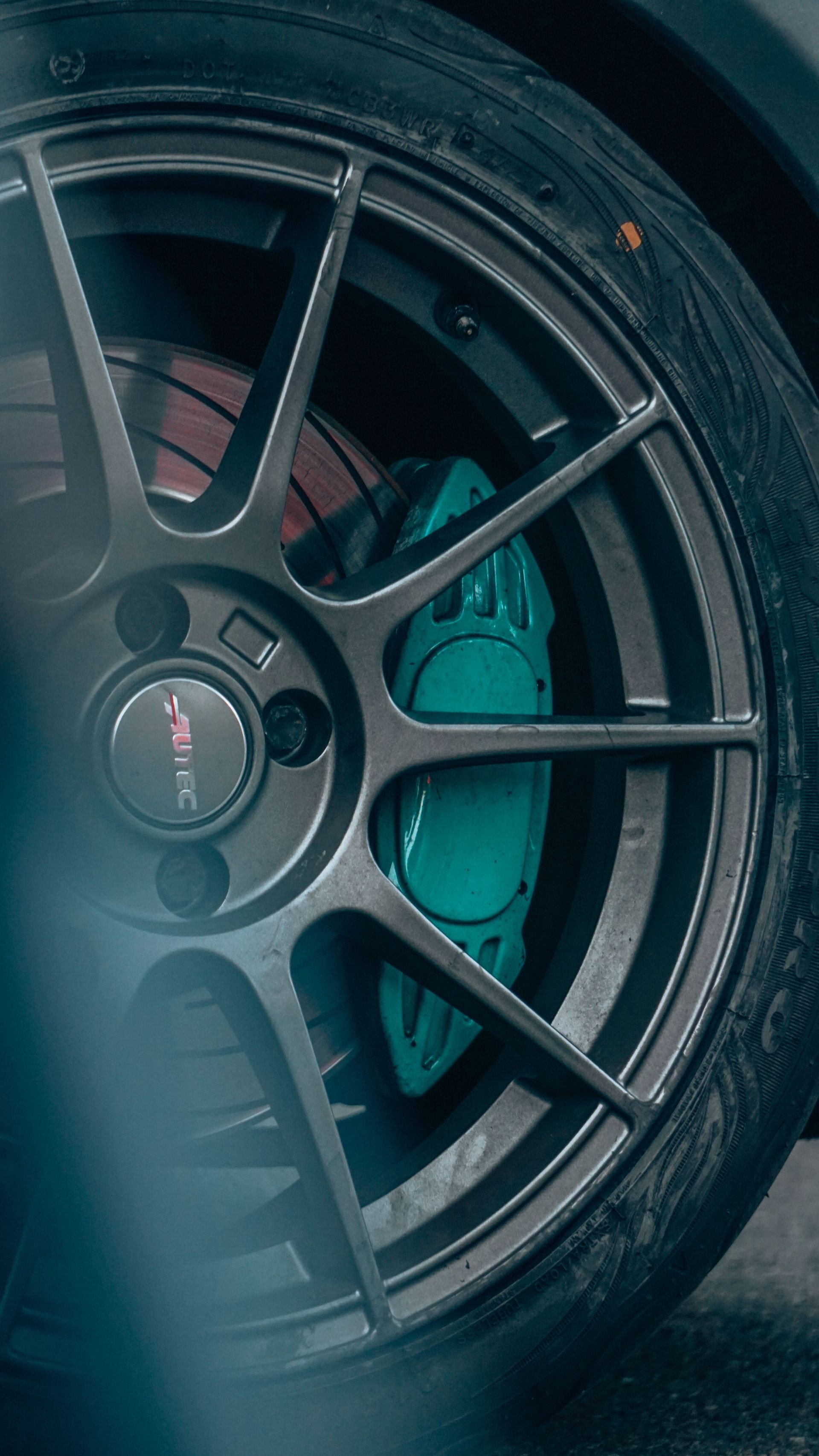
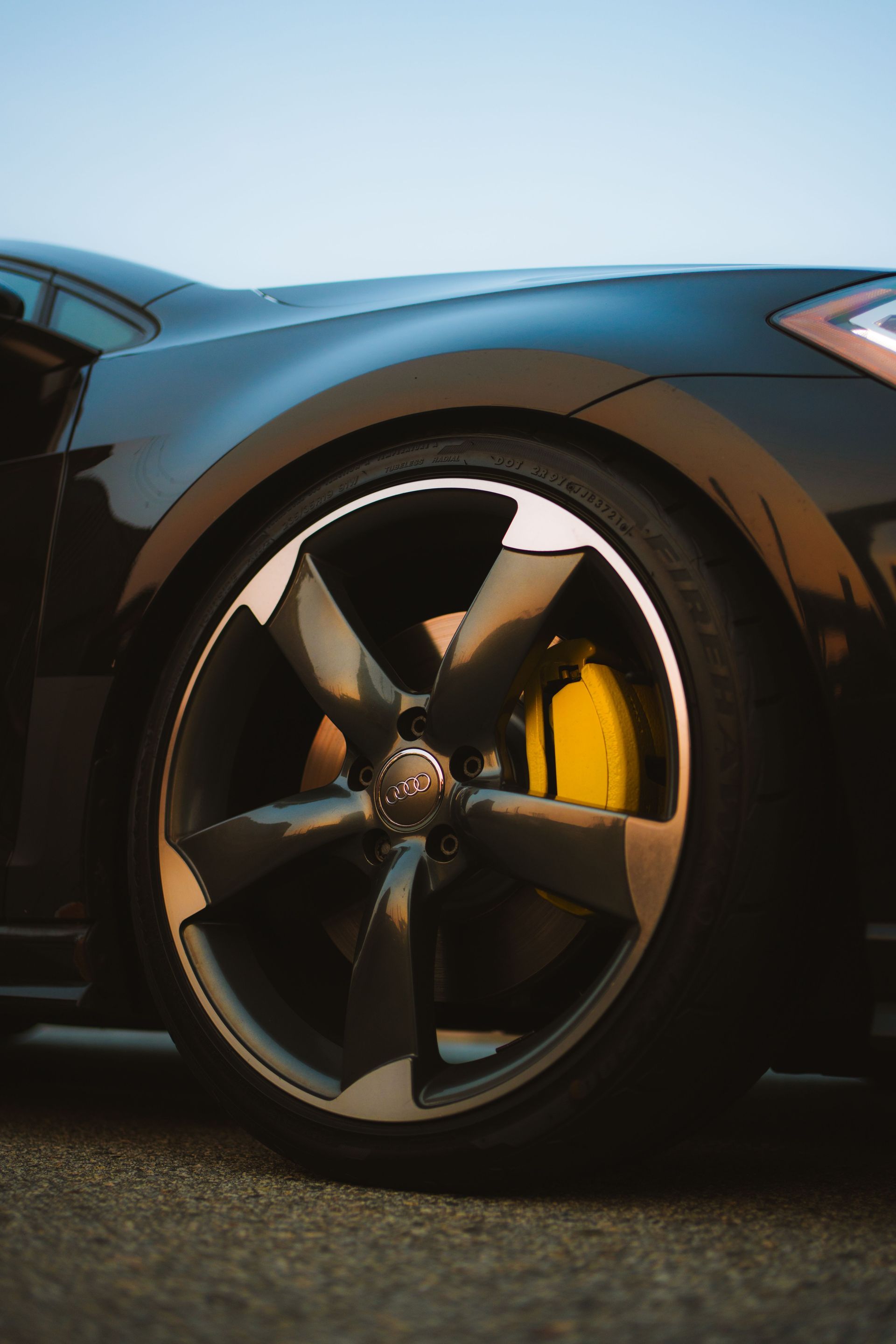
On many vehicles, you can get a rough visual of your brake pads by looking through the wheel spokes. The pad should be pressed against the rotor, and you want to see at least a quarter inch of pad material. If the pad looks thin or flush with the metal backing plate, it is time for service.
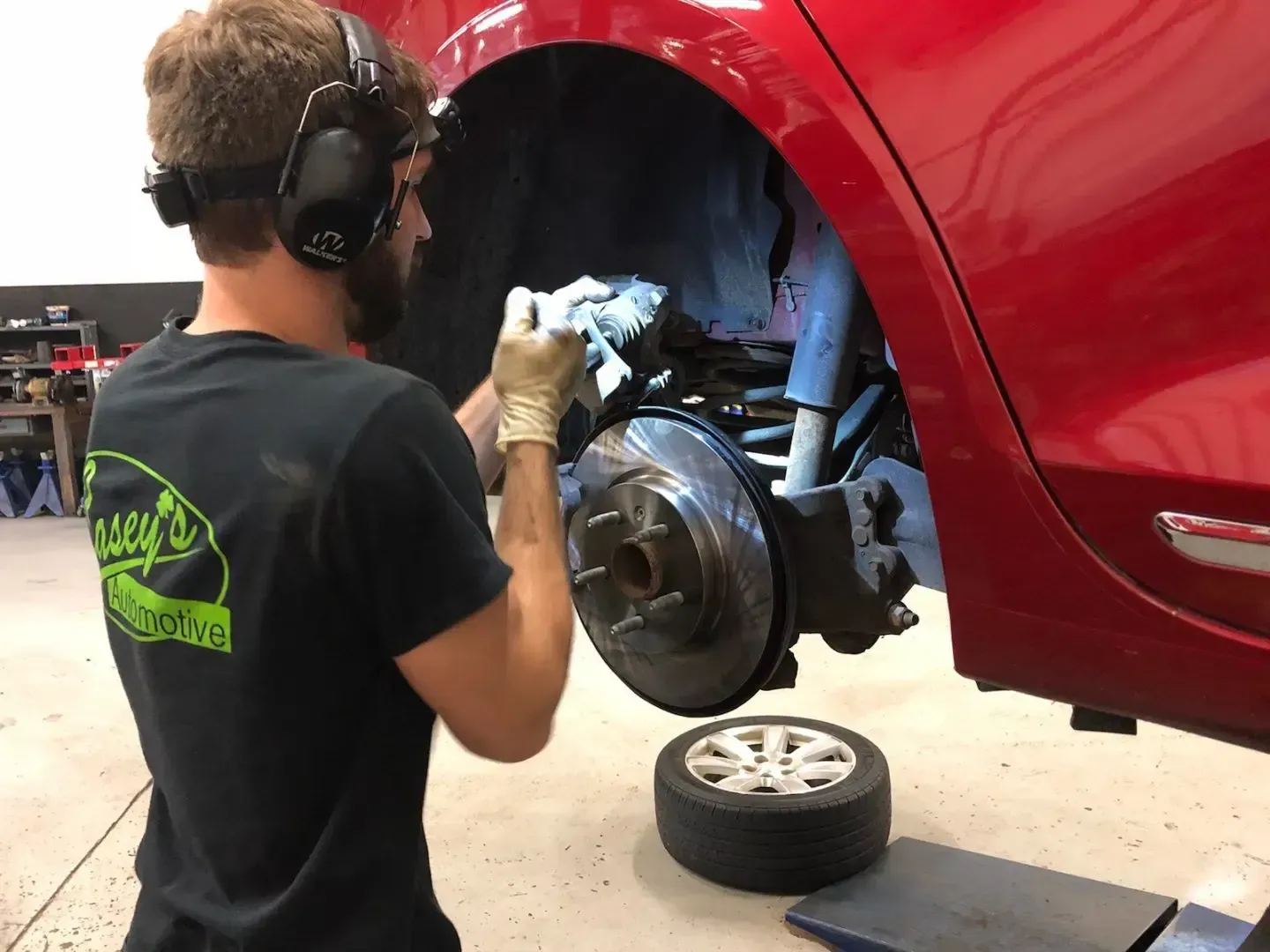
For a more thorough check, a professional brake inspection will measure pad thickness precisely and assess the condition of your rotors, calipers, and brake fluid.
FAQs
How often should brake pads be replaced?
Most brake pads last between 30,000 and 70,000 miles depending on driving habits, vehicle type, and local conditions. Drivers in high-traffic areas like Northern Virginia tend to wear through pads faster due to frequent stop-and-go braking. If you drive primarily on congested roads like I-66 or Route 28, plan to inspect your pads more frequently than the national average suggests.
Can I drive with worn brake pads?
Technically yes, but it is not safe. Worn pads reduce stopping power, increase stopping distances, and can damage your rotors. If you are hearing grinding or the brake warning light is on, schedule service as soon as possible.
Do all four brake pads wear out at the same rate?
No. Front brake pads typically wear faster than rear pads because the front brakes handle the majority of stopping force. It is common to replace front pads more frequently than rear pads, and a brake inspection will tell you exactly where each set stands.
If you are noticing any of these warning signs, do not put it off. The team at Casey's Automotive provides expert brake repair across our three Northern Virginia locations in Sterling and Great Falls. We have been serving this community with honest, transparent service for more than 30 years and will give you a straight answer about what your vehicle actually needs. Schedule your brake inspection today.
Our Locations
Address: 4260A Entre Court, Chantilly, VA 20151
Phone Number: (703) 802-6300
Hours: Monday–Friday, 7:00 AM – 6:00 PM
Address: 45891 Woodland Rd, Suite 130, Sterling, VA 20166
Phone Number: (703) 444-6900
Hours: Monday–Friday, 7:00 AM – 6:00 PM
Address: 719 Walker Rd, Great Falls, VA 22066
Phone Number: (571) 786-8001
Hours: Monday–Friday, 7:00 AM – 6:00 PM